Five Supply Chain Digitalisation Trends We Observed at the UK SCALE Symposium 2026
Published on
in
Events
Reviewed by

Denys Berg is the co-founder and CTO of Phleetto, with 15 years’ experience in logistics digitalisation and transport software.

Summary
The UK SCALE Symposium 2026 at Loughborough University brought together industry leaders, academics, technology providers and practitioners to discuss a simple but important theme: Hope, not hype – effective digitalisation for better supply chain solutions.
Rather than focusing on AI as a technology in itself, most conversations centred on how digital tools can solve practical operational problems across increasingly complex supply chains. While our own focus at Phleetto is full truckload (FTL) road freight, the symposium highlighted just how broad the application of AI and digitalisation has become.
Here are the five observations that stood out to us.
1. AI Is No Longer a Future Topic
Perhaps the biggest surprise was not that AI was discussed everywhere, but how normal it has become.
Before attending, we naturally associated AI with transport planning and freight procurement. Instead, examples covered almost every stage of the supply chain, including warehouse safety, predictive maintenance, inventory planning, production scheduling, digital twins, last-mile delivery, and operational decision support.
The discussion has clearly moved beyond whether organisations should use AI. The focus is now on where it delivers measurable operational value.
2. Logistics Is Much Bigger Than Transport
Working in road freight can sometimes create a narrow perspective.
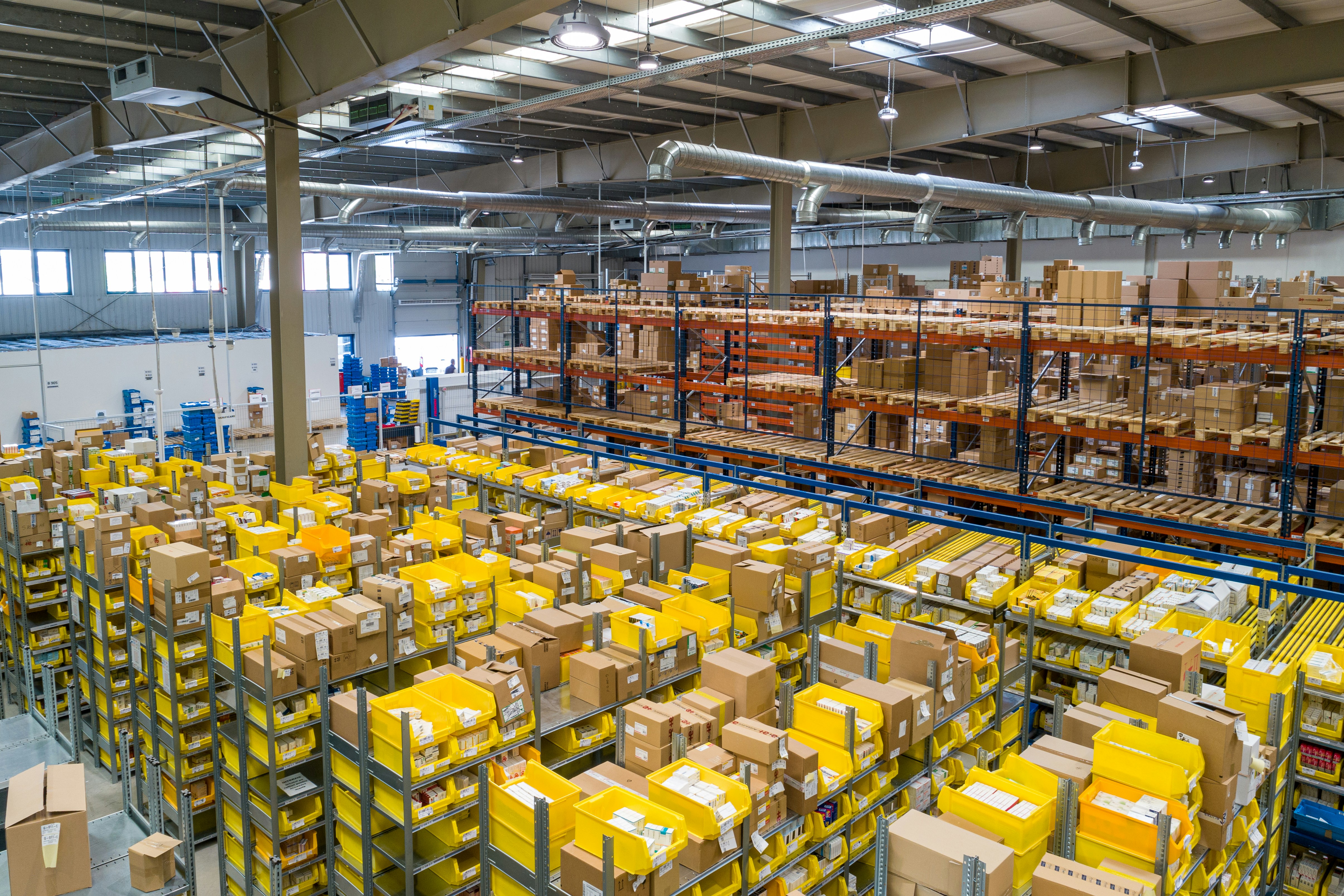
The symposium reinforced that transport is only one component of a much larger ecosystem involving manufacturing, warehousing, procurement, inventory management, production planning, sustainability and customer fulfilment.
Many operational challenges originate long before freight is booked. Improving transport efficiency often requires improving the upstream processes that generate transport demand in the first place.
3. Data Quality Remains the Foundation
Although AI featured heavily throughout the day, one topic repeatedly surfaced in discussions: data quality.
Artificial intelligence cannot compensate for inconsistent operational data, fragmented systems or unreliable processes. Whether discussing forecasting, optimisation or automation, good data remains the prerequisite for useful AI.
For organisations beginning their digital transformation, improving data quality may generate more value than implementing increasingly sophisticated algorithms.
4. Successful Digitalisation Is Cross-Disciplinary
Another takeaway was that modern supply chain professionals require increasingly broad skill sets.
Technology, operations, data, commercial awareness and change management are becoming closely interconnected. The people leading successful digital transformation projects are rarely specialists in only one discipline; they understand enough of multiple domains to connect business problems with practical technology solutions.
That combination appears to be becoming an important competitive advantage.
5. The Most Valuable Part of Events Happens Between the Sessions
Like many attendees, we spent much of the day meeting people from different parts of the supply chain ecosystem.
Conversations with academics, enterprise integration specialists, space technology companies and AI providers demonstrated how many different industries now contribute ideas and technologies that eventually influence logistics.
Those discussions reinforced an important lesson: innovation often comes from connecting perspectives rather than remaining within a single sector.
Final Thoughts
The symposium’s theme, Hope, not hype, proved appropriate.
Our strongest takeaway was not that AI will replace logistics professionals, but that practical digitalisation is becoming increasingly embedded throughout the supply chain. Organisations that combine high-quality data, operational expertise and appropriate technology are likely to gain the greatest benefit.
For us at Phleetto, the event broadened our perspective. We arrived thinking primarily about road freight. We left with a greater appreciation of how transport fits within a much wider digital supply chain ecosystem—and how collaboration between industry, academia and technology providers will continue to shape its future.